
Recently at a meeting with colleagues at the American Council on Education, we discussed the College presidency, the average age of college presidents, and how to engage in both succession planning and preparation of a qualified cadre of candidates for future college presidents, or those at least willing to consider the opportunities and challenges of leading an institution of higher education.
 Even though higher education is witnessing a transitional in leadership and re-envisioning its responsiveness to societal needs, as a sector, it is probably not alone. Many industries are undergoing similar transformations, as they experience rapid technological changes, the surge of online transactions, new generations of workers, and global competitors. One of the obvious questions in the workforce is how do we prepare leaders who will lead multi-generational and diverse workforces in a very digital age, in a range of industries, to meet current and future consumer and societal needs? Without a doubt, there are numerous leadership gurus and perspectives, programs, and adages.
Yet, the core of it is that the heart of any company is its employees. Regardless of rank, education, or generation, employees, for the most part, are the key to innovation, productivity, and perceived value of the company. Employees, for their part, want to be recognized, respected, valued, and informed how their daily activities somehow benefit the well-being of society. Because employees change jobs six or more times in their careers, it is also important for employers to furnish incentives, design collaborative teams, and offer acknowledgements to keep talented employees and to maintain a positive working environment.
Given our current national political divides, creating a cohesive workforce based on shared values could be at least one way to bridge some of our differences and build a more perfect union.
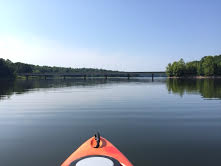 peaceful and restorative memories of the summer include strolling on the beach enjoying ocean breezes blowing through your hair, being soothed by the relaxing sound of the waves hitting the shore on a beautiful, blue sky day, and/or enjoying the natural beauty of wooded areas—without cellular connections. After about a week or so of listening to the waves, enjoying the peace of morning kayaking, or moving about without meetings and schedules, if we are lucky, a sense of renewed vitality and creativity emanates throughout our bodies.
 Reflecting on what just happened, like many other Americans, and some of our global neighbors, there is a lingering anguish that we have passed through some membrane of civility and tolerance on a macro-level. Even though some historians remind us that vitriolic, political campaigns and muckraking are not new, somehow that does not make anything better.
 Good winning teams have good coaches. Even though coaches are more commonly associated with athletic teams, as we continue to work in teams in the evolving workplace, good coaches are becoming more critical to the success of many organizations. Some organizations’ leaders prefer teams because an appropriately balanced team can bring with it diverse viewpoints to find solutions and identify opportunities. Further, the team, as a whole, can marshal enormous intellectual capital and innovation in a less hierarchical work environment. With clear direction, most teams can accomplish projects more quickly than individuals working alone.
 Michelle Howard-Vital, Ph.D